The Art of Inlay
A Dialogue Between Material, Light, and Time
In a world where most objects are created rapidly, mechanically, and without the touch of a human soul, the art of inlay remains a rare and almost sacred craft. It is far more than a decorative technique. It is a layered artistic discipline in which the maker unites different materials into a single composition, creating surfaces that speak through light, texture, depth, and silence. Inlay is an art of patience, of precision, and of perceiving beauty within a material long before the work itself begins.
Every piece begins not with tools, but with an idea—with a sensation, an internal vision that gradually transforms into a complex structure born from wood itself. The artist does not merely decorate a surface; one material is carefully embedded into another, as though the composition had naturally emerged from within the form.
What Is Inlay?
Inlay is the refined art of embedding materials into a surface with near-jeweler precision. Unlike painting or printing, the image is not applied onto the exterior. It is constructed from real elements that become an inseparable part of the object forever.
Every line requires an exact incision.
Every fragment must align flawlessly with the surrounding surface.
Even the slightest deviation can disturb the harmony of the entire composition.
For this reason, authentic hand-crafted inlay is regarded as one of the most demanding decorative arts in the world of craftsmanship and fine art.
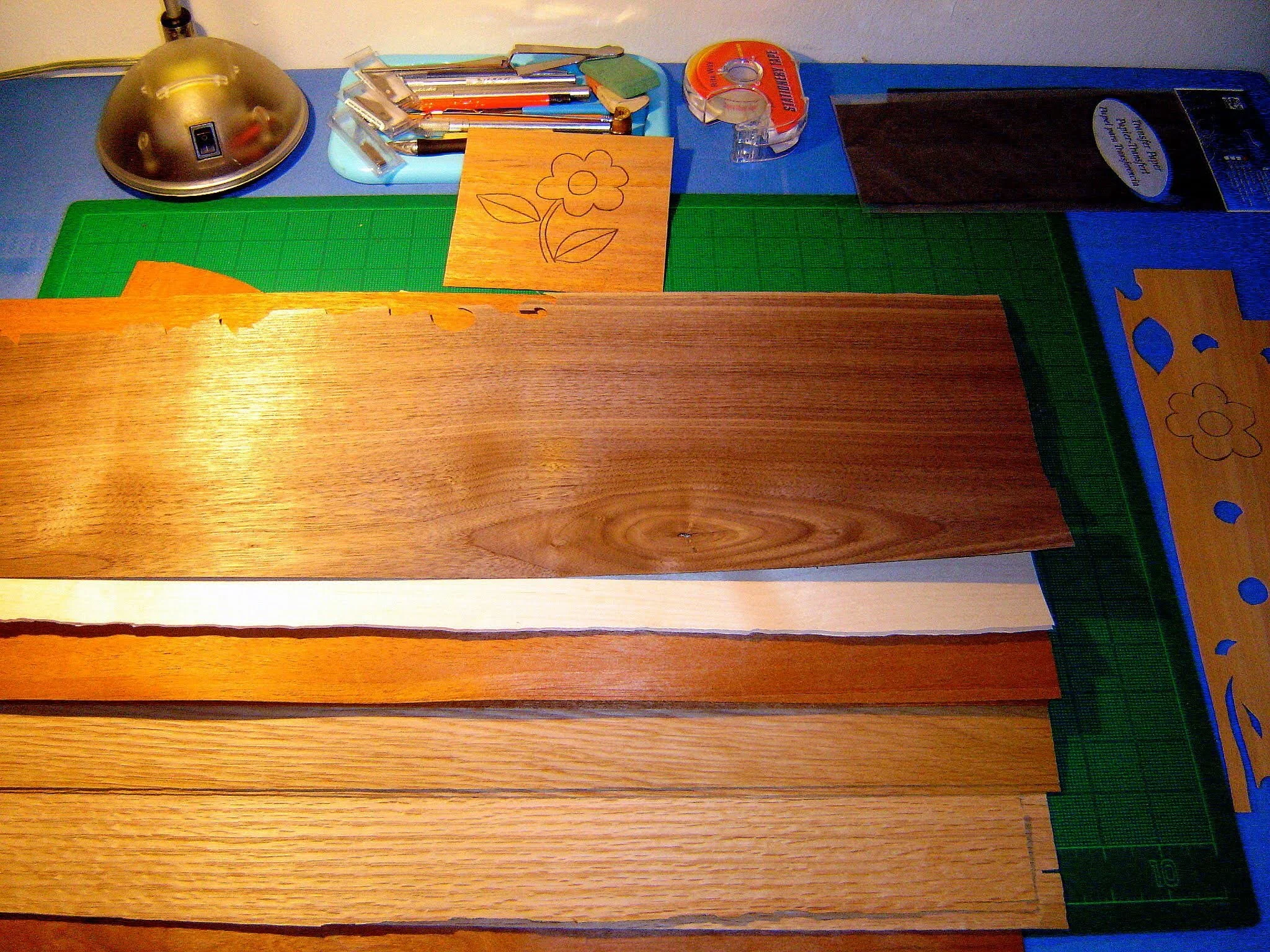
An Art Created by Hand
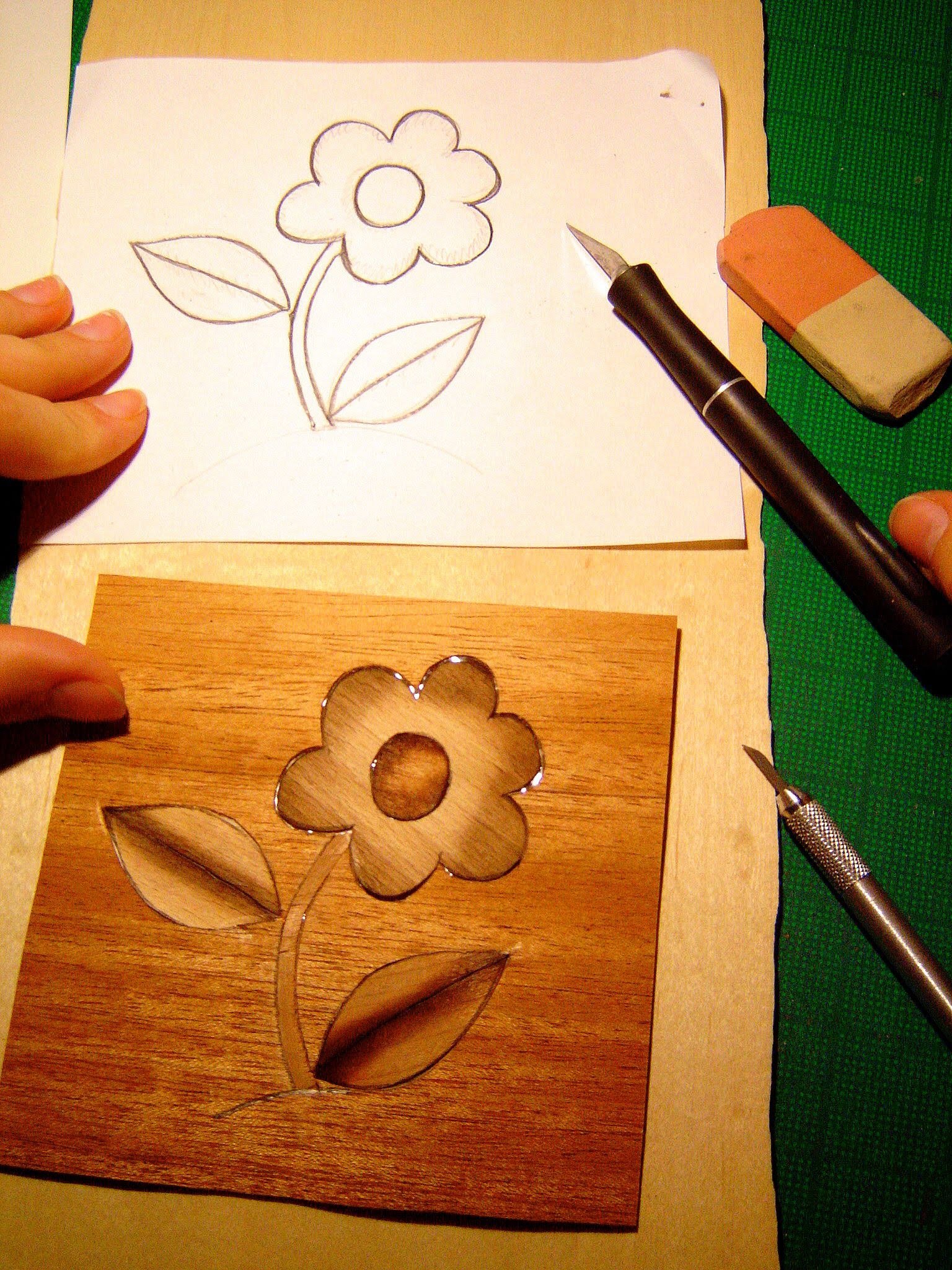
Every work exists as a singular piece. The natural grain of wood can never be perfectly repeated. Even if an artist attempts to recreate a composition, the materials themselves will respond differently each time. This is the true value of handmade work—uniqueness cannot be replicated by machines.
The creation of an inlay artwork may require dozens or even hundreds of hours. It is a slow and deeply concentrated process—almost meditative in nature.
The Journey of Creation:
Developing the composition
Selecting the wood
Creating detailed sketches
Cutting intricate elements by hand
Individually fitting each fragment
Sanding, polishing, and refining the surface
At times, a single detail must be remade repeatedly until the balance of form, depth, and light feels entirely precise.
The Dialogue of Materials & Complexity
One of the defining qualities of inlay is that every material preserves its own character. Wood retains warmth, memory, and the living rhythm of its grain. The artist does not dominate the material—he collaborates with it. Because of this, inlay never appears static or flat. It changes constantly with the light, the hour of the day, and the angle from which it is observed.
To achieve this, the artist must exist at once as a designer, woodworker, sculptor, and researcher of materials, balancing multiple disciplines simultaneously:
Artistic composition and sculpture
Material craftsmanship with jewel-like precision
Structural understanding and sensitivity to light
Every species of wood possesses its own density, fragility, and behavior. Some crack under minimal pressure, while others react subtly to humidity or temperature. Uniting them into a harmonious surface requires experience, patience, and years of practice. This is why genuine artistic inlay is encountered so rarely.
Light as Part of the Composition
Unlike a flat image, inlay possesses physical depth. Light interacts with each type of wood differently, dispersing softly through natural fibers and revealing hidden tonal variations within the material itself. Because of this, no artwork ever appears exactly the same twice.
In the morning: A piece may feel calm and delicate.
In the evening: It becomes dramatic and architectural.
Under warm light: Certain hidden tones are revealed.
Under cool light: Entirely different dimensions are uncovered.
Each work becomes a living object in dialogue with the surrounding space.
The Uniqueness of Handmade Inlay in the Modern World
Today, most objects are produced automatically. Yet this is precisely why handmade art has become increasingly valuable. Inlay cannot be accelerated without sacrificing its essence. A machine may cut a shape, but it cannot perceive balance, texture, atmosphere, or light.
An authentic work of inlay preserves traces of human presence: the movement of the hand, the intuitive selection of grain, and the silent decisions made during the act of creation itself. This transforms every piece from a decorative object into something far more enduring—an object with character, memory, and soul.
Philosophy: An Art Beyond Time
Inlay has existed for centuries, appearing in palatial architecture, sacred interiors, fine furniture, musical instruments, and collectible works of art. Yet despite its ancient origins, the craft remains profoundly contemporary, uniting traditional techniques with modern minimalism and experimental forms.
The Philosophy of the Work: I see inlay as the art of connection: the connection between materials, time, light, and human attention. It is an exploration of form, light, and texture born from a deep respect for the material. Every piece is created slowly and intentionally. There are no accidental lines and no repeated formulas. Each element is selected individually to preserve a sense of depth, movement, and the living presence of nature.
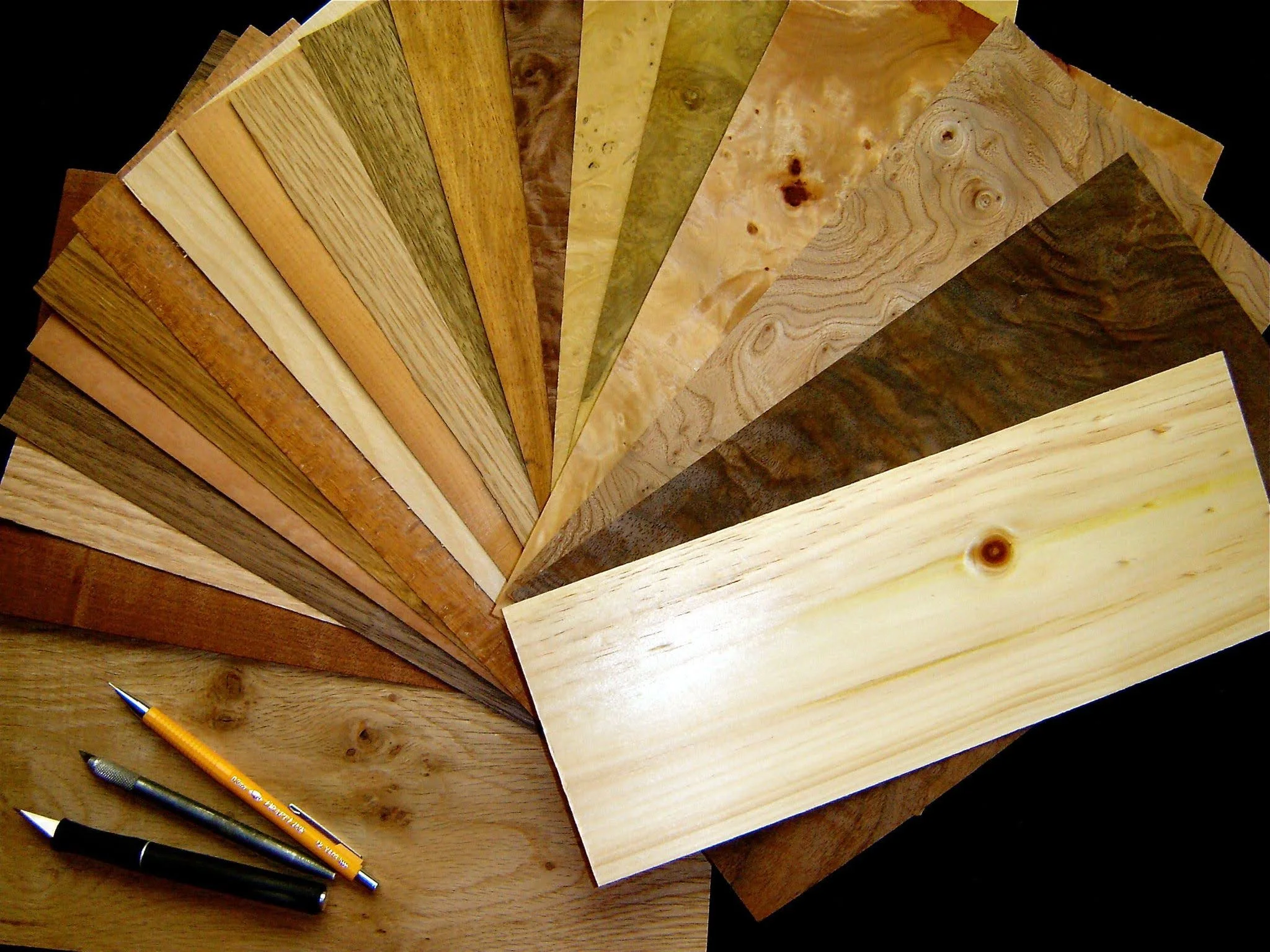
The Living Language of Natural Wood
Today, most objects are produced automatically. Yet this is precisely why handmade art has become increasingly valuable. Inlay cannot be accelerated without sacrificing its essence. A machine may cut a shape, but it cannot perceive balance, texture, atmosphere, or light.
An authentic work of inlay preserves traces of human presence: the movement of the hand, the intuitive selection of grain, and the silent decisions made during the act of creation itself. This transforms every piece from a decorative object into something far more enduring—an object with character, memory, and soul.
Painting with the Soul of the Wood
What makes hand-crafted wood inlay truly extraordinary is not only the precision of the technique, but the decision to preserve the natural color of the wood itself. No artificial paints are used to imitate depth, and no printed textures are applied to create an illusion. Instead, every tone, shadow, transition, and atmosphere emerges entirely from nature.
The warmth of walnut, the pale softness of maple, the golden depth of oak, the dark elegance of ebony—each species of wood carries its own voice, its own temperature, and its own emotional presence. The artist does not paint with pigments; he paints with the soul of the wood itself.
The Art of Selection
The artist must search for the exact grain, tone, and movement hidden inside each piece of wood long before it becomes part of the final composition. Sometimes a single fragment is selected from dozens of pieces simply because its natural pattern contains the precise direction of light, shadow, or movement needed within the artwork.
A curve inside the grain may become the flow of fabric.
A dark natural transition may become depth or atmosphere.
A subtle shift in tone may create the illusion of light touching the surface.
Nothing is artificial. Everything already exists inside the material.
Wood as a Living Material
Unlike industrial materials, wood remains alive even after it has been shaped and polished. It responds to light, reacts to time, and changes subtly with age, temperature, and environment. This living quality gives hand-crafted wood inlay a presence that cannot be reproduced by synthetic surfaces or digital production. Over the years, natural wood develops even greater richness and complexity. Colors deepen, contrasts soften, and the surface acquires a quiet maturity that only time can create. In this way, the artwork continues evolving long after it leaves the artist’s studio.
The Complexity of Natural Wood Selection
One of the most demanding aspects of fine wood inlay is the selection of materials. The artist must possess an intimate understanding of different species of wood—their density, flexibility, texture, porosity, and natural coloration.
Some woods are extremely delicate and may fracture under minimal pressure, while others are so dense they require exceptional control to shape precisely by hand. Even two pieces cut from the same tree can behave differently. Because the work relies entirely on natural color rather than paint, every element must be carefully chosen to create harmony, depth, and contrast through wood alone. This requires a trained artistic eye capable of seeing hidden possibilities within raw material.
Light Hidden Inside the Grain
Natural wood possesses an extraordinary interaction with light. Unlike painted surfaces, wood fibers absorb and reflect light at varying depths. As illumination changes, the grain begins to reveal layers that were previously invisible.
This creates a quiet visual movement across the artwork:
The surface breathes.
The tones shift gently throughout the day.
Textures emerge slowly under changing light.
No photograph can fully capture this experience, because the true beauty of wood inlay exists in physical space and direct observation. The viewer does not simply look at the work—they experience it.
A Conversation Between Nature and Human Hands
Handmade wood inlay exists at the intersection of nature and human craftsmanship. Nature creates the grain, color, and texture over decades of growth; the artist then studies these natural formations and carefully transforms them into composition and meaning.
The process is not about controlling the material completely—it is about listening to it. The artist follows the direction of the grain, respects the natural structure of the wood, and allows the material itself to participate in the final artwork. This relationship gives each piece an authenticity that cannot be manufactured artificially.
Beyond Decoration: Emotional Depth
There is a quiet emotional quality found only in natural wood. It carries warmth rather than cold perfection, invites touch, and preserves traces of nature within the finished work. Unlike synthetic materials, wood contains irregularities, subtle imperfections, and organic movement—qualities that make every composition feel deeply human.
True wood inlay is a form of artistic storytelling. Every piece contains hundreds of decisions invisible to the viewer: the direction of the grain, the transition of tones, the balance of texture, and the interaction of light across the surface. What appears effortless is often the result of immense patience and years of refinement. The final work is meant not only to be seen, but to be felt—slowly, quietly, and over time. It is not created for trends; it is created to endure.
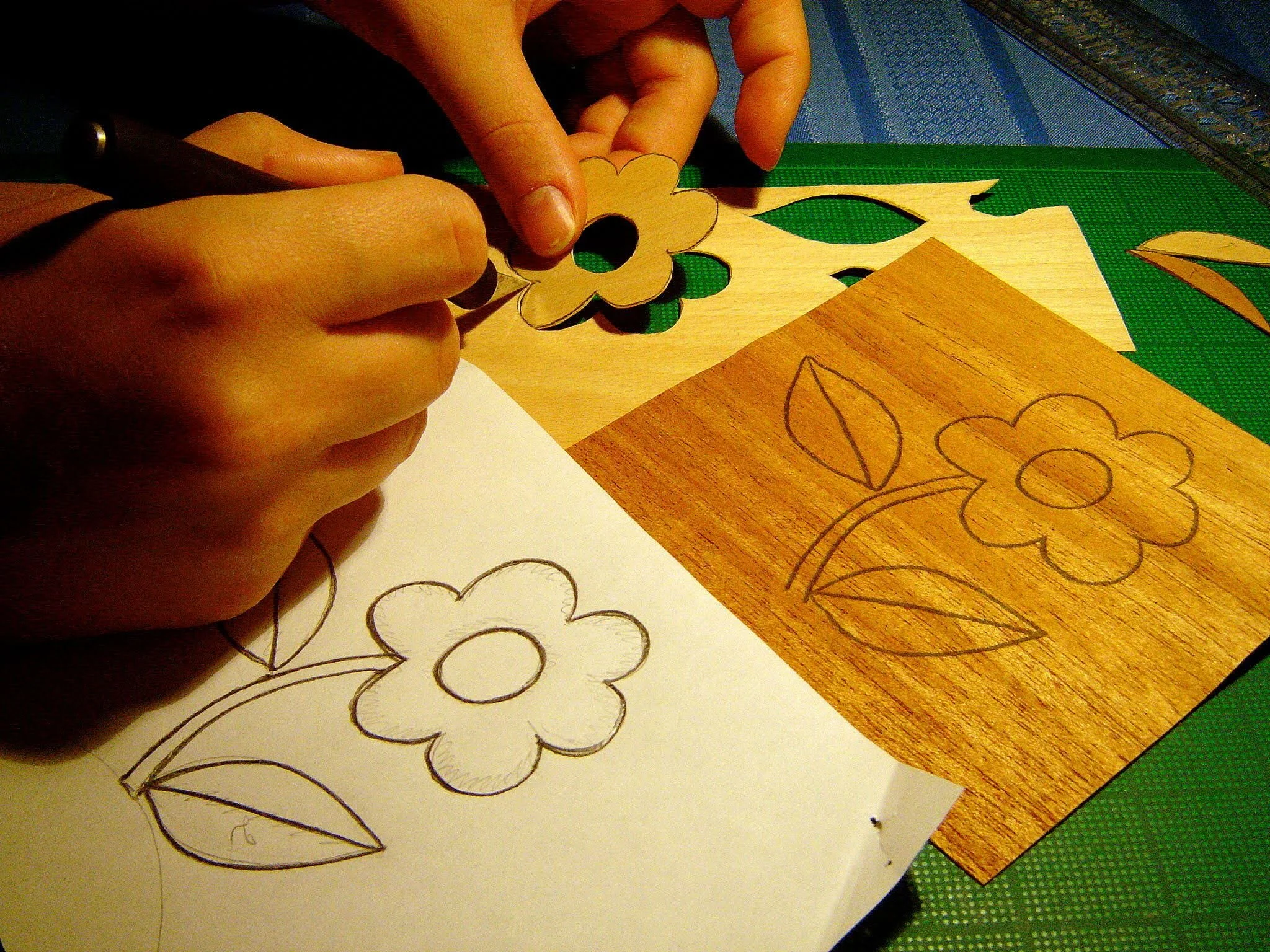
Why Handmade Wood Inlay Represents True Luxury
The Definition of Rarity
True luxury has never been defined merely by price. Authentic luxury is rarity, craftsmanship, time, and originality.
In today’s world, most objects are mass-produced and made to look identical. Interiors increasingly resemble one another, objects lose their individuality, and possessions are replaced long before they have the chance to acquire character or meaning. Against this backdrop, handmade wood inlay becomes something truly exceptional. This art cannot be mass-produced, cannot be rushed without sacrificing quality, and can never be fully replicated. Every piece is created entirely by hand and exists as a one-of-a-kind work. That is what gives it real value.
Luxury Created Through Time
Most modern objects are produced within hours—sometimes within minutes. In contrast, handmade wood inlay takes weeks and often months to create. Behind the effortless elegance of the final composition lies hundreds of hours of concentration, experience, and craftsmanship.
Today, time itself has become one of the rarest luxuries in the world. That is why objects carrying immense human dedication and attention possess such extraordinary value. Furthermore, nature never creates the same wood grain twice. Even if a composition is recreated, the structure of the wood, tonal transitions, and interaction with light will always remain unique. When someone acquires a handmade inlay piece, they become the owner of a work that exists nowhere else in the world.
A Symbol of Refinement
For centuries, rare woods were used in palaces, libraries, collectible interiors, and works of fine art. Natural wood has always been associated with nobility, warmth, and sophistication. Unlike artificial materials, wood possesses a living depth that ages beautifully. With time, it becomes even richer and more elegant. No plastic, printed surface, or imitation can replace this quality. It is luxury in its purest natural form.
True handmade inlay transforms the entire atmosphere of a space. It creates warmth, depth, and a sense of quiet balance, changing subtly throughout the day as the light evolves. These works do not demand attention loudly. Instead, they create an atmosphere of quiet sophistication, intelligence, and timeless elegance.
The Presence of Human Hands
Every artwork preserves the presence of its maker. People instinctively feel this difference immediately:
The precision of the lines.
The careful selection of textures.
The hand-finished surface.
The intuitive artistic decisions impossible for machines to imitate.
Handmade work possesses something mass production never can—a soul.
An Investment in Value
Most objects are purchased temporarily, but true inlay is created to endure for decades. It does not follow trends, it does not become outdated, and it retains its value beyond fashion and time. These works become part of a home, part of a family story, and part of a deeply personal environment.
Acquiring handmade wood inlay is an investment in permanence:
Uniqueness and rarity
Natural materials and handcrafted mastery
Artistic value and emotional impact
An object that can never be replaced
The Luxury of Authenticity
Today, people seek not merely expensive things, but authentic ones. They want to surround themselves with objects that possess history, depth, and individuality. Handmade wood inlay embodies all of these qualities.
Every work is created slowly and intentionally. Every texture is born from nature itself. Every surface carries hundreds of hours of human craftsmanship. This is not industrial perfection—it is something far more valuable: living art shaped by nature, time, and human hands. It will always remain a symbol of rarity, refined taste, and timeless luxury.